
16 September 2026 · 5 min read
Sauna Benefits for Recovery: What the Research Shows
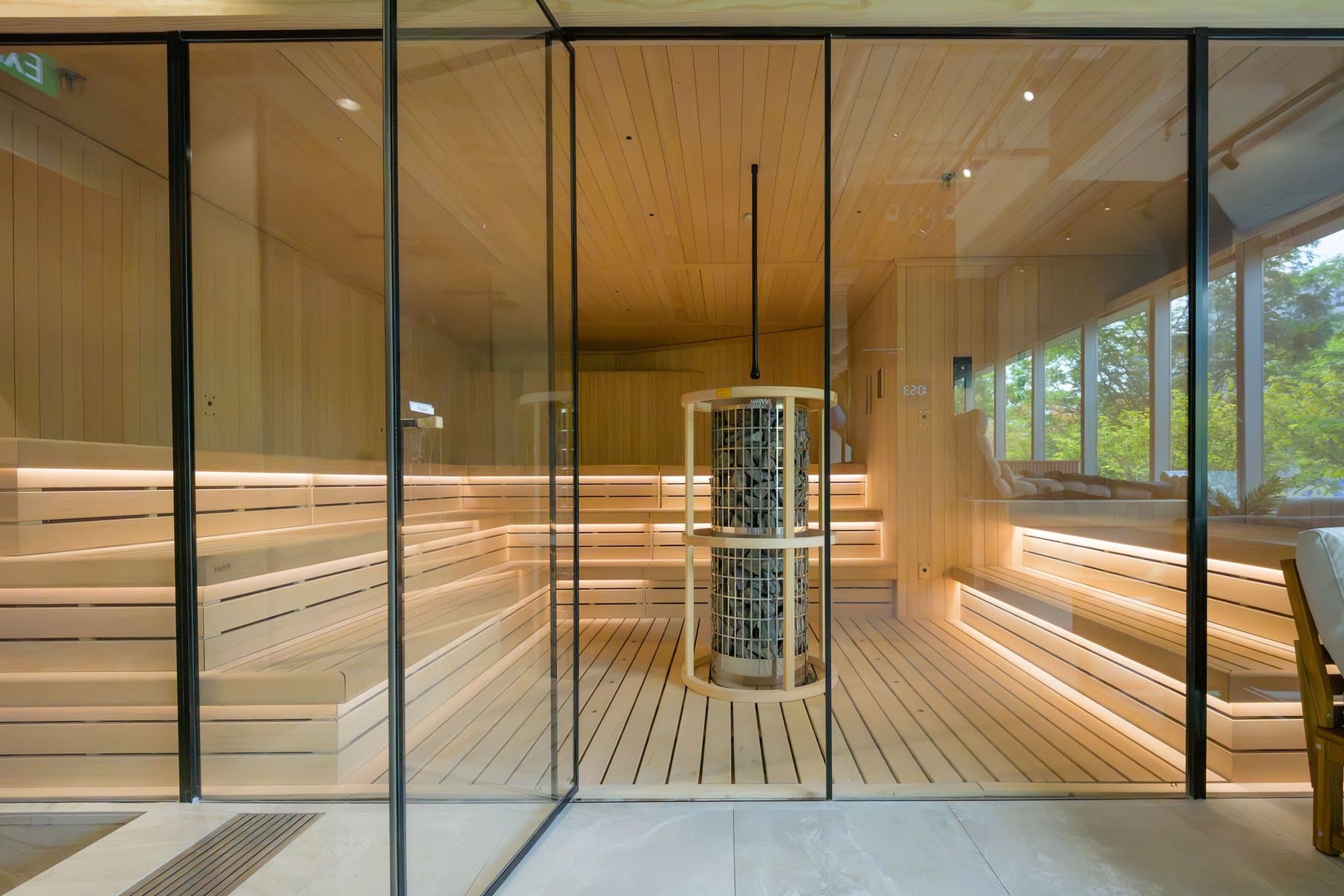
Traditional Finnish sauna use has one of the strongest bodies of research behind it of any recovery practice — and the benefits go well beyond a good sweat. Heating your core temperature triggers the production of heat shock proteins, which help repair damaged cells and are part of why regular sauna-goers report faster recovery between training sessions.
The cardiovascular case for sauna
This is where the research is most compelling. Sitting in a sauna raises your heart rate similarly to light-to-moderate exercise, and a 20-year Finnish study of 2,315 middle-aged men found that those who used a sauna 4–7 times a week had about 40% lower all-cause mortality than once-a-week users (Laukkanen et al., JAMA Internal Medicine, 2015). It's observational, not proof of cause and effect, but it's the strongest evidence behind any recovery habit we offer. The same study found a dose-response pattern — more frequent sauna use tracked with progressively lower risk, up to the 4–7-times-a-week group.
Sauna and sleep
Heat exposure in the evening is also one of the simplest ways to improve sleep quality. Your core body temperature needs to drop to fall asleep, and a sauna session a couple of hours before bed can amplify that natural drop once you cool down afterwards — which is part of why so many members prefer an evening sauna session over a morning one. If you struggle to wind down after a stressful day, this is often the easiest place to start.
How hot, how long
A traditional Finnish sauna runs around 80°C to 90°C, using stone heaters rather than infrared elements — the two aren't interchangeable, and most of the research above is specific to the traditional, stone-heater kind. On its own, most people get the full benefit from 10 to 20 minutes per session, two to three times a week. If you're alternating with a cold plunge as part of contrast therapy, shorter rounds of 8–12 minutes work better — you don't need to sit in the heat for an hour either way, and building up gradually is more sustainable than pushing your limit on day one.
Sochill's Finnish sauna reaches 90°C using traditional stone heaters, and pairing it with a cold plunge afterwards is where contrast therapy really shows its value — the swing between heat and cold does more for circulation than either extreme on its own. Walk in anytime during our opening hours in Holland Village; no booking needed.
Common questions
Do I need to shower before or after the sauna? A quick rinse before is good hygiene for a shared space; afterwards, our dunk showers are there for exactly that — a fast way to cool down before your next round or before heading home.
Is it normal to feel lightheaded? A little warmth-induced grogginess is normal, especially on your first few visits before your body adjusts. Feeling genuinely dizzy, nauseous or unwell is not — leave the sauna and rehydrate with the electrolytes we provide.
How soon will I notice a difference in sleep or recovery? Most members who use the sauna two to three times a week notice sleep improvements within the first couple of weeks; the cardiovascular association in the research above is built on years of consistent use, so think of it as a long-term habit rather than a quick fix.
Check with your doctor first if you're pregnant, have a heart condition, high or low blood pressure, or Raynaud's, or take medication that affects your heart rate or blood pressure. Don't use the sauna or plunge after drinking alcohol. Leave straight away if you feel dizzy, numb or unwell.