
1 August 2026 · 4 min read
Why Contrast Therapy Works
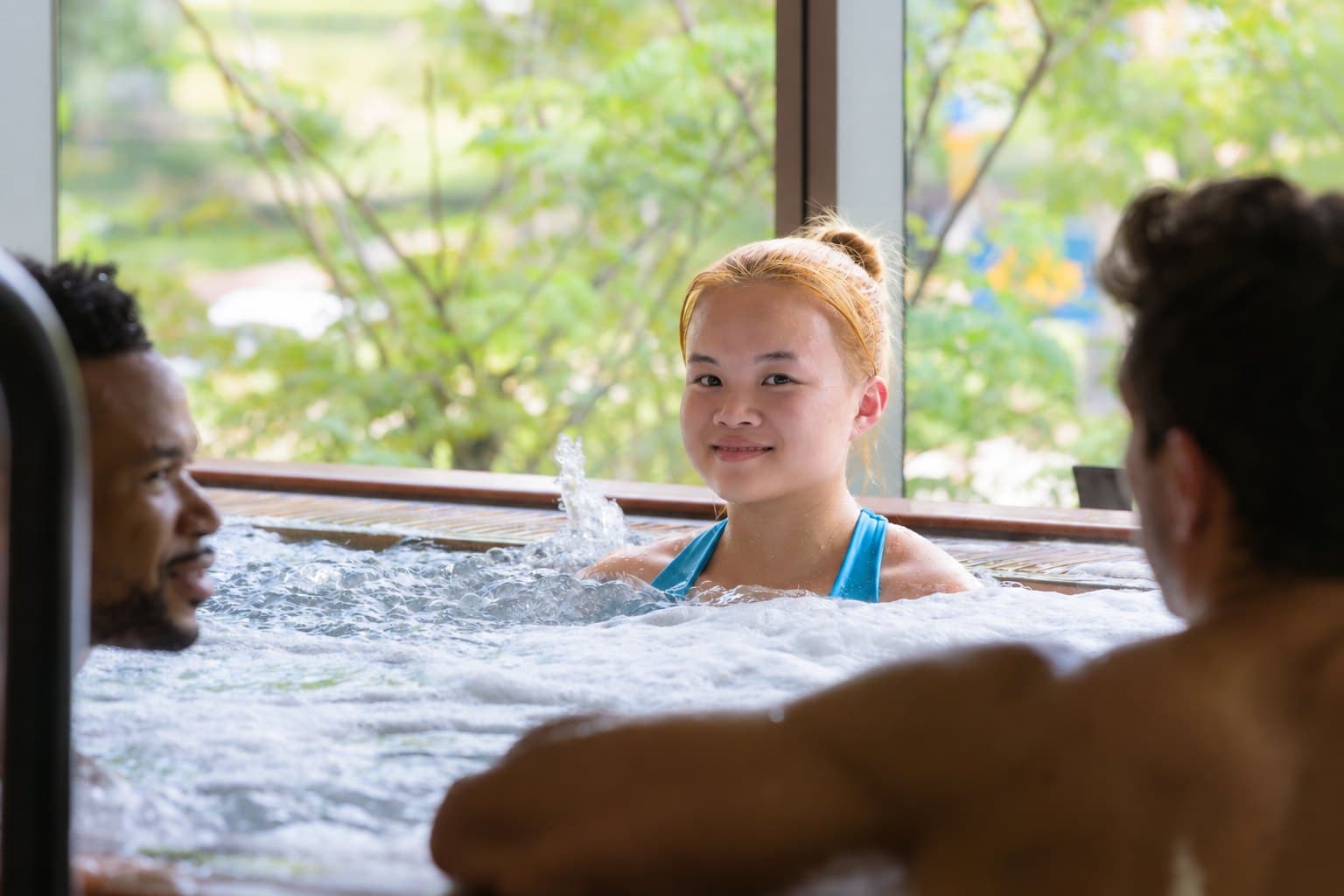
Contrast therapy — alternating between heat and cold — isn't a new idea, but it's one backed by a growing body of research on recovery, mood and cardiovascular health.
What contrast therapy actually is
At its simplest, contrast therapy means moving your body between hot and cold rather than picking one or the other. The heat (a sauna, in most cases) dilates your blood vessels and raises your heart rate; the cold (an ice bath or cold plunge) does the opposite, constricting vessels and pushing blood toward your core. Cycling between the two is thought to act like a pump for your circulatory system — each switch pushes blood in and out of your muscles and skin more than either extreme does alone.
It's practised in different forms around the world: Finnish sauna culture pairs heat with a cold lake or snow roll, Japanese onsen bathing alternates hot baths with cool rinses, and modern recovery clubs like Sochill offer both stations side by side so you can move between them as often as you like.
The evidence, station by station
Frequent sauna use has the strongest evidence behind it. A 20-year Finnish study of 2,315 middle-aged men found that those who used a sauna 4–7 times a week had about 40% lower all-cause mortality than once-a-week users (Laukkanen et al., JAMA Internal Medicine, 2015). It was observational and only studied men, so it shows an association, not proof.
The cold side is less settled. One lab study found dopamine rose about 250% during a full hour of cold-water immersion at 14°C (Šrámek et al., European Journal of Applied Physiology, 2000) — far longer than a typical 1–3 minute plunge, so treat that number as a ceiling rather than what you'll feel after a quick dip. Cold exposure also appears to reduce inflammation.
The evidence that skin actually absorbs magnesium from bath water is weak (Gröber et al., Nutrients, 2017). We offer the 40°C magnesium hydrotherapy bath for the heat, the 56 massage jets and the relaxation — not as a magnesium supplement.
Getting started: your first session
None of this requires a rigid protocol. At Sochill there's no instructor telling you when to move between stations — the flow is Finnish sauna, ice bath, dunk shower, hydrotherapy, in whatever order and for however long feels right. That's the point of not having a time limit.
A simple beginner protocol: Finnish sauna at ~90°C for 8–12 minutes, cold plunge at 7–12°C for 1–3 minutes, then a cold dunk shower for 10–20 seconds between rounds. Repeat for 2–3 rounds, finish with 10–15 minutes in the 40°C magnesium hydrotherapy bath, then rest in the recovery lounge for as long as you like.
Common questions
Does the order matter — hot first or cold first? Most people start with heat and finish with cold, since ending on cold tends to leave you feeling more alert, while ending on heat is more relaxing before bed. Neither order is wrong; try both and see what suits the time of day you visit.
How often should I do contrast therapy? The Finnish sauna study's biggest benefit showed up at 4–7 sessions a week, but that was sauna alone, not contrast therapy specifically, and it's an association from observational data rather than a target to hit. Two to three visits a week is a realistic, sustainable starting point for most people.
Can I just do one side — only sauna, or only cold? Yes. Contrast therapy is one way to use the space, not a requirement. Plenty of members stick to one station the whole visit.
Check with your doctor first if you're pregnant, have a heart condition, high or low blood pressure, or Raynaud's, or take medication that affects your heart rate or blood pressure. Don't use the sauna or plunge after drinking alcohol. Leave straight away if you feel dizzy, numb or unwell.
Related reading